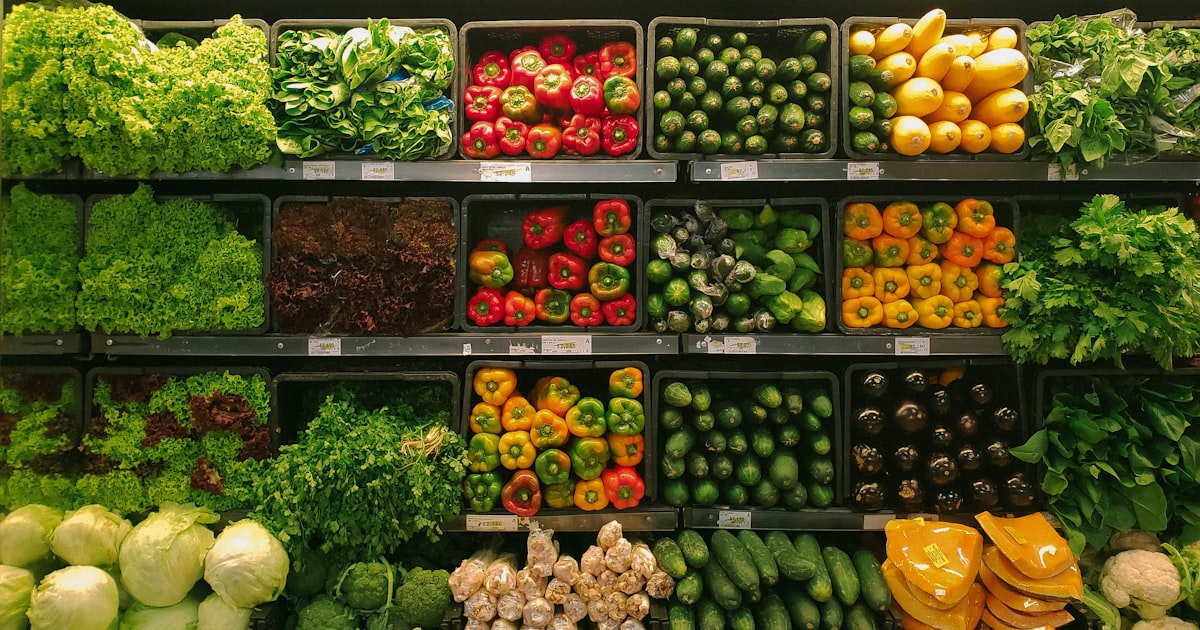
Most healthy-shopping lists read like they were written by someone who never visits a store after work with a toddler and 14 minutes until dinner. Real aisles are noisy, branded, and designed so your hand finds the bright pack first.
These are the habits that still work when you’re tired.
1. Shop hungry? Don’t
Cliché because it’s true. Hungry brains buy crisps. A coffee or banana before you go is unsexy and effective.
2. Perimeter first, middle second
Produce, dairy, meat/fish usually live on the outer loop. The centre is where ultra-processed gravity lives. I still walk the middle — pasta, tinned beans, oats — but I don’t start there while willpower is high.
3. List beats mood
Three dinners planned = fewer impulse sauces. Leave one free slot for something seasonal so the list doesn’t feel like prison.
4. Compare twins, not posters
Two “high protein yogurts” can differ wildly on sugar. Flip both. First ingredients and sugars per 100g matter more than the gym model on the sleeve.
5. Short lists win (with exceptions)
Bread ingredients get long for reasons; plain yogurt should not look like a lab report. Use judgement, not a rigid “five ingredient” religion.
6. Own brands vs premium
Often the same factory. Scan both if you’re unsure. Loyalty points are not a nutrition strategy.
7. Phone as a second pair of eyes
When you’re comparing three sauces in a rush, a scan app beats opening ten browser tabs. Vital Scan is built for that aisle moment — score, sugars, additives, allergens matched to your profile. If diabetes or low-sugar is the goal, set categories in the app before you leave the house.
None of this requires a perfect lifestyle. It requires slightly better defaults than “whatever’s on end-cap promotion.”